
Where does Lululemon go from here?
Lululemon’s problem isn’t innovation. It’s how they organize around it.

Lululemon had a tough 2025. The stock declined 45%. The CEO resigned after Lululemon’s founder publicly called for his removal in The Wall Street Journal. Activist investors have since taken a meaningful stake and are calling for changes to the company’s leadership and board.
On the other hand, Lululemon is still an exceptional business. The company beat earnings in Q3 2025, and expects their Q4 earnings to be at the top end of previously issued forecasts (Source: WSJ). International growth is strong (22–23% in latest earnings), and Lulu serves a well-heeled customer who make up the majority of economic growth, while commanding 58–60% margins that put them closer to LVMH than Nike.
The problem is that Lululemon’s best years appear behind them. Customers, industry analysts, Lululemon’s founder, and even Lulu’s exiting CEO agree on a lack of product innovation as the problem:
“I am so bored by Lulu. It could just be me, all I see are the same things being released in slightly different colors … None of it is as cute or trendy as the stuff I have pre 2015.” — Reddit, November 2025
“We have become too predictable and missed opportunities to create new trends…Our lounge and social product offerings have become stale.” — Outgoing CEO Calvin McDonald, September 2025
“The world doesn’t need another bland, quarterly-driven apparel company. It needs bold vision…The true measure must be innovation and brand reputation.” — Lululemon founder Chip Wilson, October 2025
I have to concur. The store near me offers their best selling products, such as the Define jacket, the men’s ABC pant, and the crossbody belt bag. But these came out 10, 10, and 7 years ago, respectively. Where is the newness? Where are the vibrant prints and see through panels and expressive designs I used to get at Lululemon?
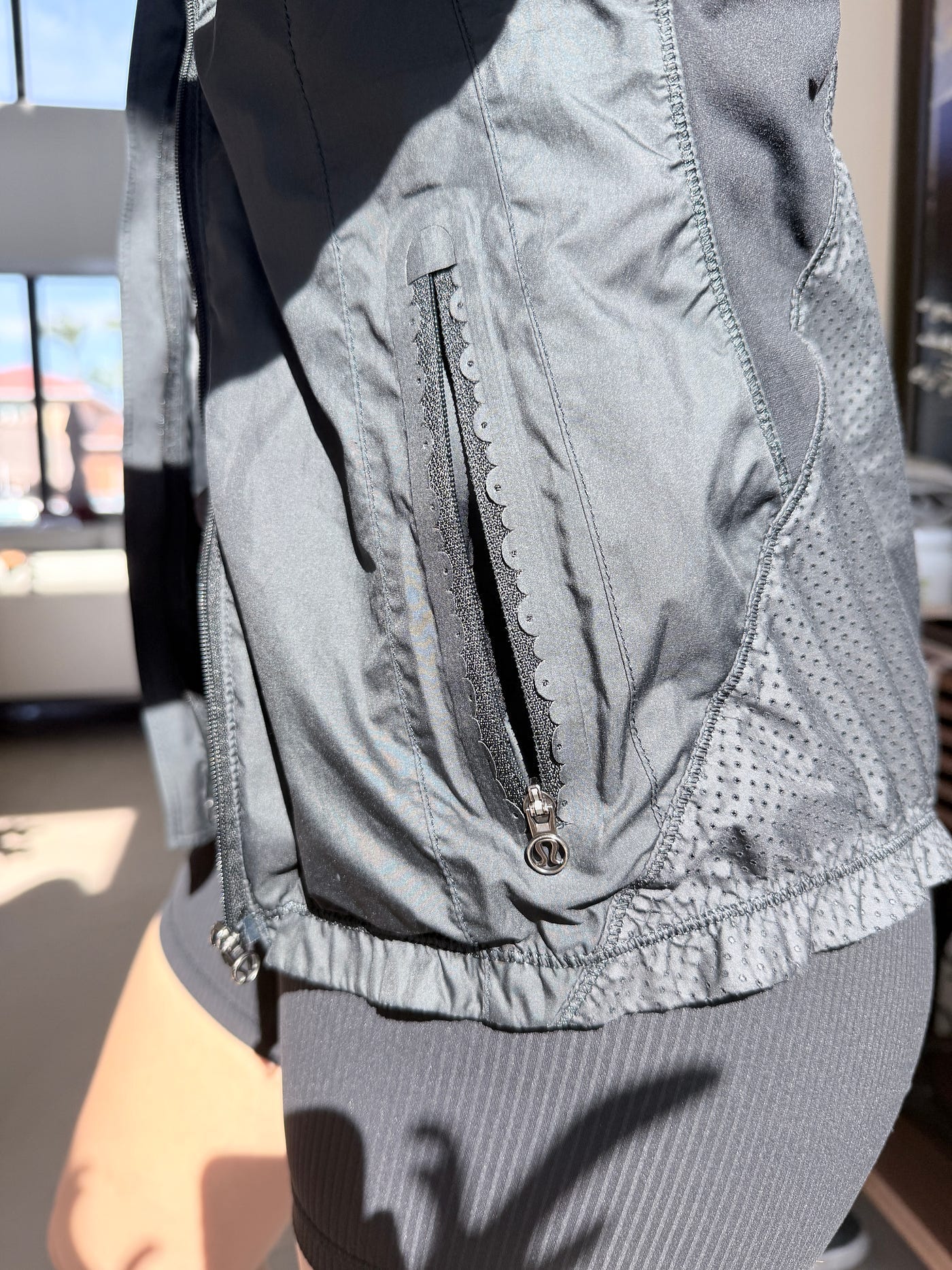
Over Christmas, I complimented a Lululemon rain jacket my sister was wearing that featured scalloped zippers and varied fabrics. Her response: “They don’t make stuff like this anymore. I got this ten years ago.”
Even the product names have been neutered. A store manager told me that the team renamed Lululemon’s best selling men’s ABC pants from ‘Anti-Ball Crushing’ to ‘Always be Comfortable.’
What was once the sharp blade that defined the athleisure category is now dull.
Is the solution to simply ‘innovate again’? Sure, but it’s not that simple. The lack of innovation is a symptom. The problem is how Lululemon organizes around innovation.
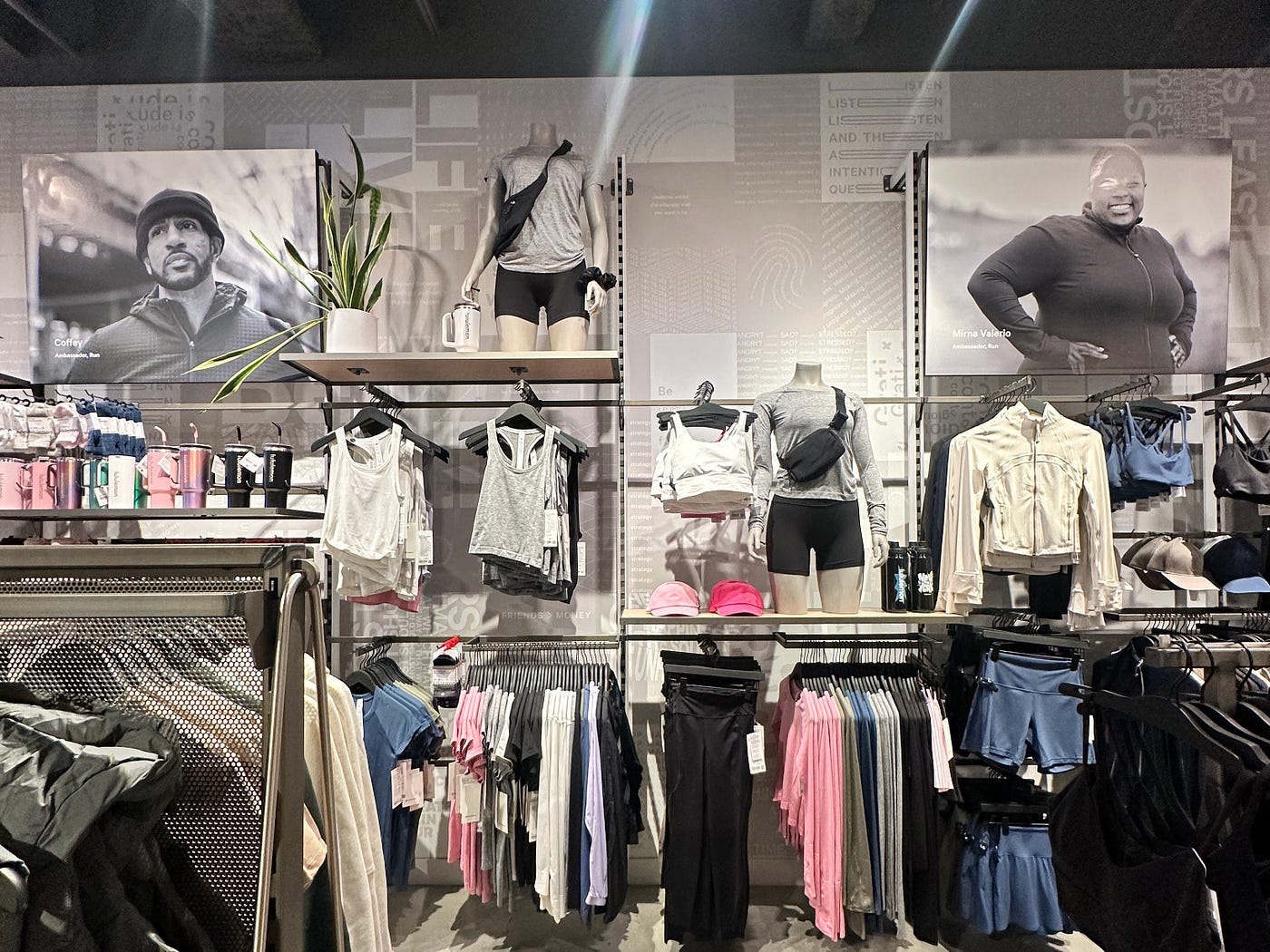
I’d bet that Lululemon’s data told them to do exactly what they are doing right now. Their stores stock Lululemon’s best hits in the most popular colors (white, black, grey). Register aisles are crowded with easy but undifferentiated add-ons like branded water bottles and hair clips. There are few risks, which is reflective of an organization that is using data and merchandising muscle to optimize stores for sales.
This kind of product optimization only works for the short term.
Customers of aspirational fashion brands like Lululemon break down into two groups: edge customers and core customers. Core customers make up the majority of revenue and buy your most popular products. Edge customers are smaller, but they have outsized influence. These are your trendsetters. For Nike, that’s elite athletes. For North Face, it’s mountain climbers and streetwear influencers. Fashion brands grow by winning over edge customers who influence the core. But to attract the edge customers, you need fresh products, categories, and styles, which won’t be informed by past sales data.
When you lose your edge customers, core customers will hang around for a while, and your business will appear strong from the outside. But they will eventually leave. Lululemon’s edge customers have left for Alo and FP Movement and niche fitness brands. When the cool girls are in Alo sweatsuits and FP Movement wide pants, the core audience shifts too. Lululemon has tried to stay on trend, and offer wide leg sweats as its classic skinny leggings fell out of trend. But even these feel boring; the only differentiator is the Lululemon logo.
Lululemon needs to shift from optimizing stores for best sellers, to blazing a new trail for edge customers. Once the edge customer is back, the core will follow.
How do you do that?