

Remix your icons
What Chanel and Adidas's Biggest product launches have in common

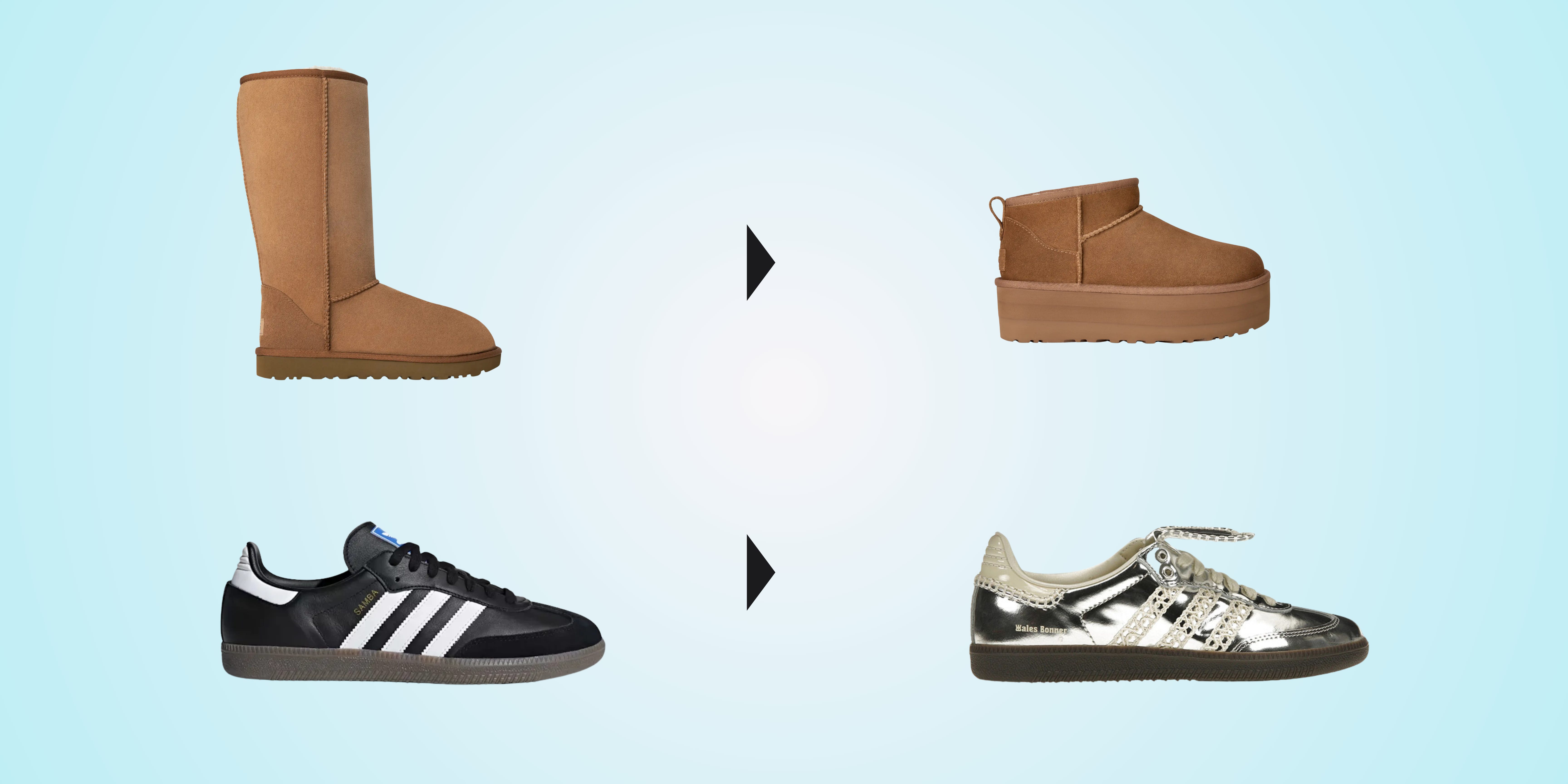
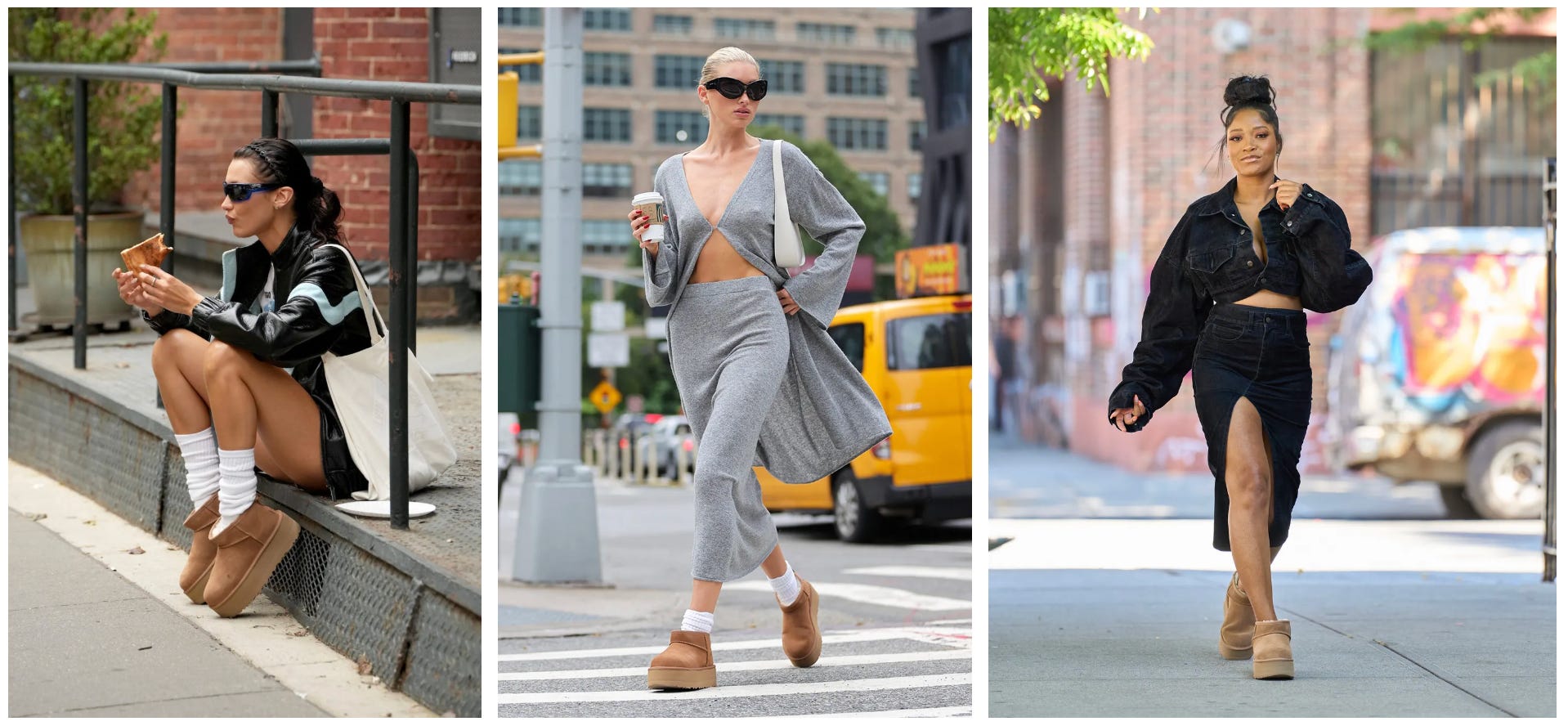
In 2022, Ugg launched a riff on the classic Ugg boot with the Ultra Mini which featured a 2-inch platform sole on a short Ugg. It felt equal parts familiar and fresh. And it catapulted the brand to cultural and commercial relevance, with the Ultra Mini becoming Nordstrom’s top footwear style in Q3 2022.
“We just didn’t have enough product to meet the demand,” Tacey Powers, Nordstrom EVP, on the Ugg Ultra Mini
In 2020, Adidas brought back its bestselling Samba sneaker, and hired Grace Wales Bonner to redesign it. Wales Bonner gave us a Samba with crocheted Adidas stripes, satin inners, and an elongated tongue.
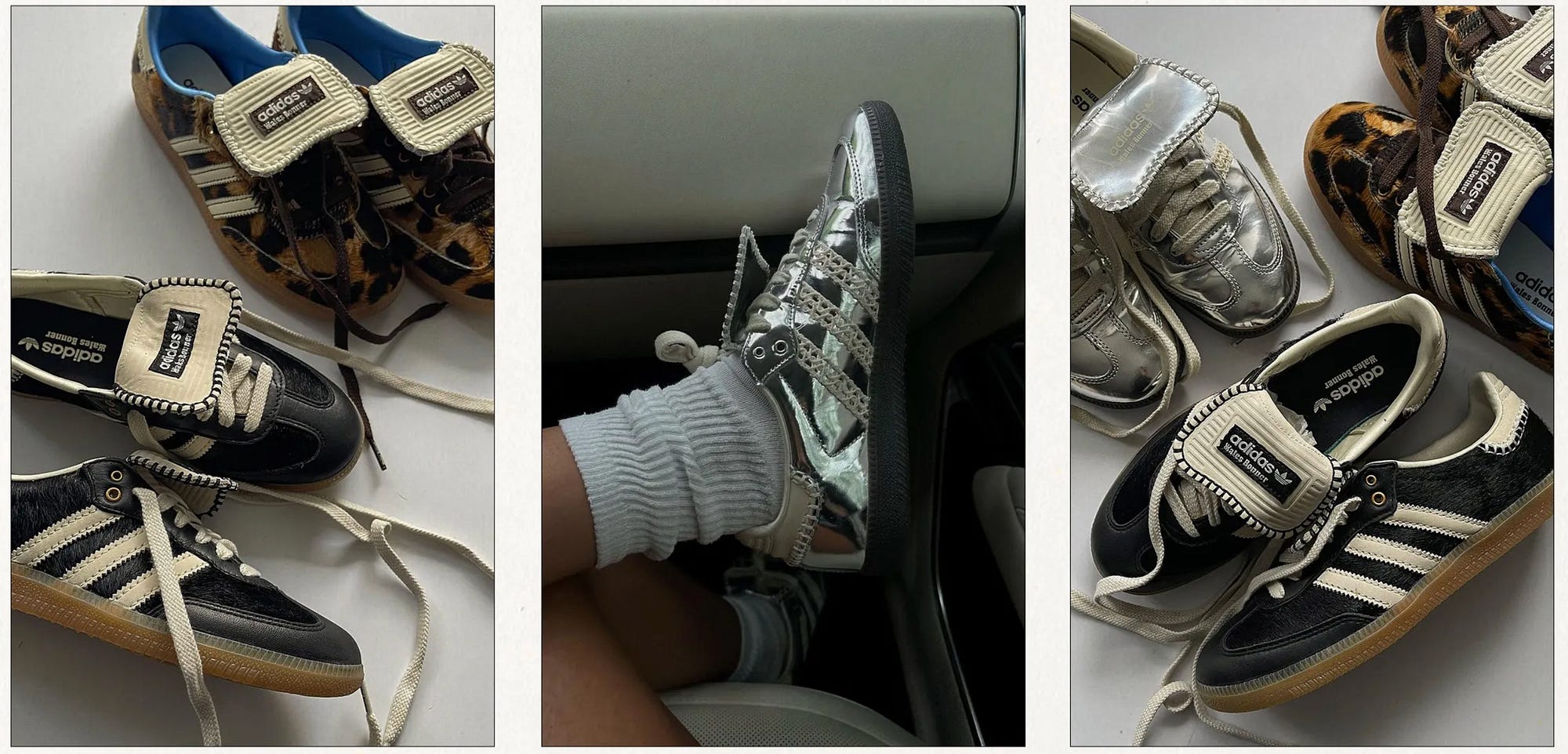
Familiar? Yes. Different? Also yes.
The Grace Wales Bonner drop sold out almost instantly, and the Samba became one of the bestselling sneakers of 2021–2024.
Why do product remixes sell out?
Products like the Ugg Ultra Mini and the Grace Wales Bonner Samba both took something well known (the Ugg boot, the Samba soccer shoe) and imbued them with a fresh aesthetic.
I call this a product remix: a new design rooted in an existing icon.
It turns out, there is psychology behind why these succeed.
Psychologist Daniel Berlyne argued that human pleasure peaks at intermediate novelty. Too familiar is boring. Think about a song you have already heard multiple times today. Or a handbag that six people have walked by carrying. Boring. But, too novel can be anxiety inducing. A completely new music genre takes a minute to catch on. The ideal song or fashion item combines the familiar with a bit of newness.
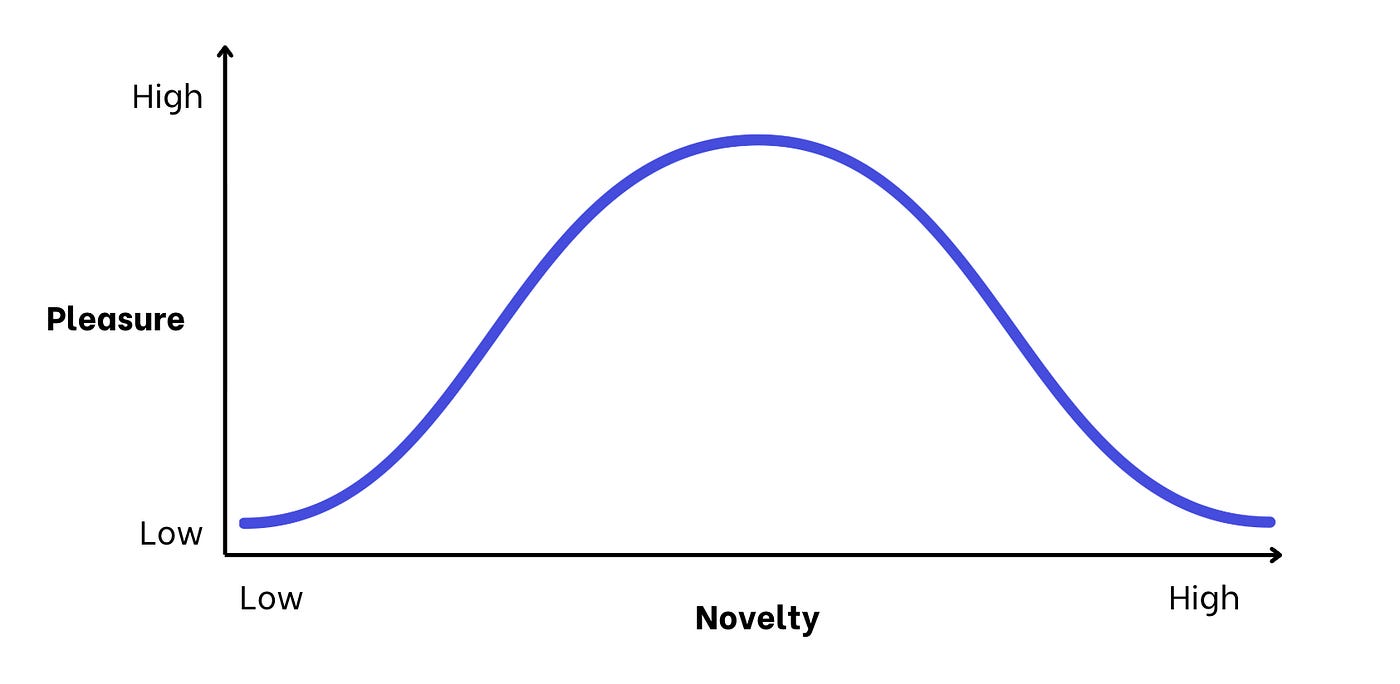
A 2004 study by psychologists Reber, Schwarz & Winkielman confirmed why this is the case by looking at the neuroscience behind this effect. It has to do with ease of processing. A product refresh works because the familiar scaffolding makes it easy to process, which feels good, while the twist creates just enough friction to spike attention.
There’s a final pillar to why refreshes work so well in fashion specifically: the psychology of status. In a 1904 paper, Fashion, Georg Simmel argues that all fashion trends are a function of status. New trends start on couture runways, where they are often so avant-garde as to be unwearable for day-to-day activities. Toned-down versions of these are purchased by the elite. Mass consumers then purchase derivatives to associate themselves with high status individuals. But, as trends trickle down and become mass, high status individuals shift to new trends to re-differentiate themselves from the masses. And the cycle continues…
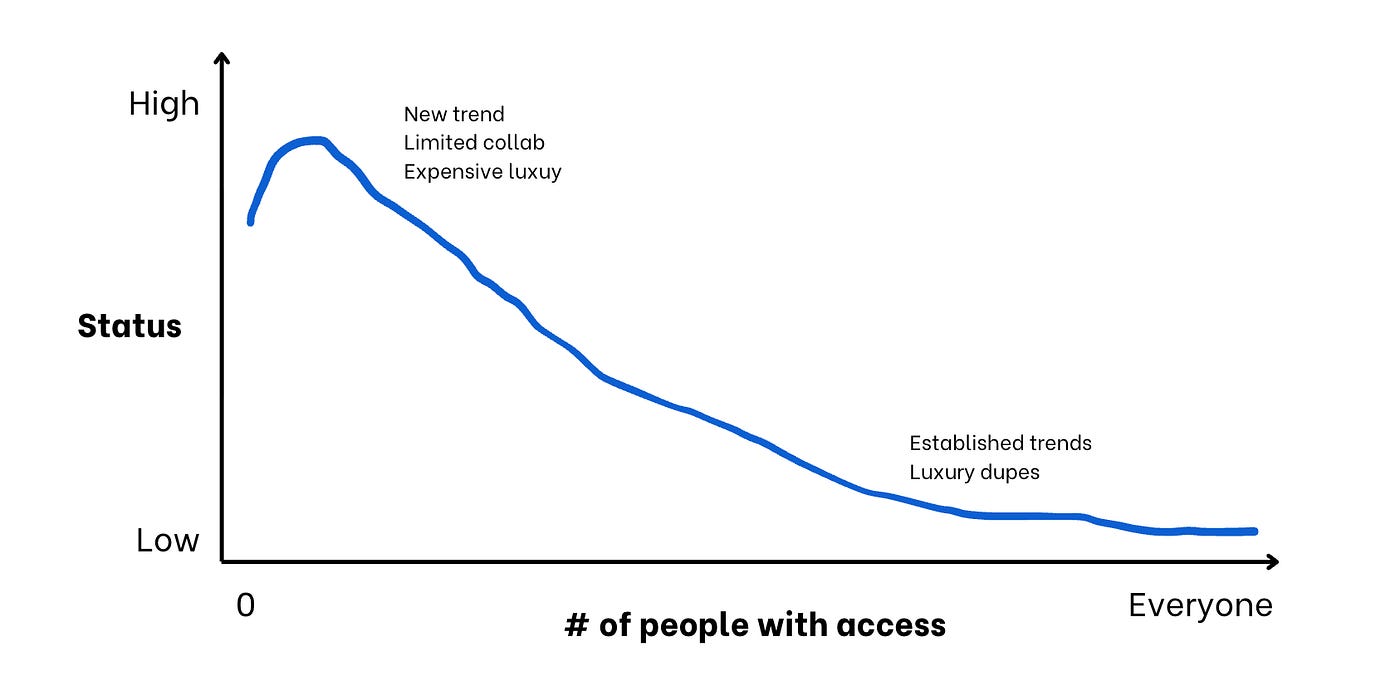
Aesthetic trends are constantly moving from higher to lower status as they become more well known and/or accessible
Product remixing allows a premium-but-mass brand (i.e., Adidas, Lacoste, Ugg, Pandora, Lululemon, Coach, Crocs, New Balance, Burberry, Hanky Panky, David Yurman…) to jump up a few rungs on the status ladder. Their products may have become mass (and low status) but when you update that product, it becomes unique, rare, and trendy again. That uniqueness can attract a higher status audience, and make the entire brand higher status as a result. This is why product remixes should take a bit of risk (i.e., putting a two inch platform on an Ugg boot). The discomfort and newness is what makes it worthy of a high status audience.
Product remixing allows a premium-but-mass brand to jump up a few rungs on the status ladder.
So, what does this mean for brands?
If you’re in charge of launching the next hit product for a leading brand, you can borrow this psychology to design your next hit.
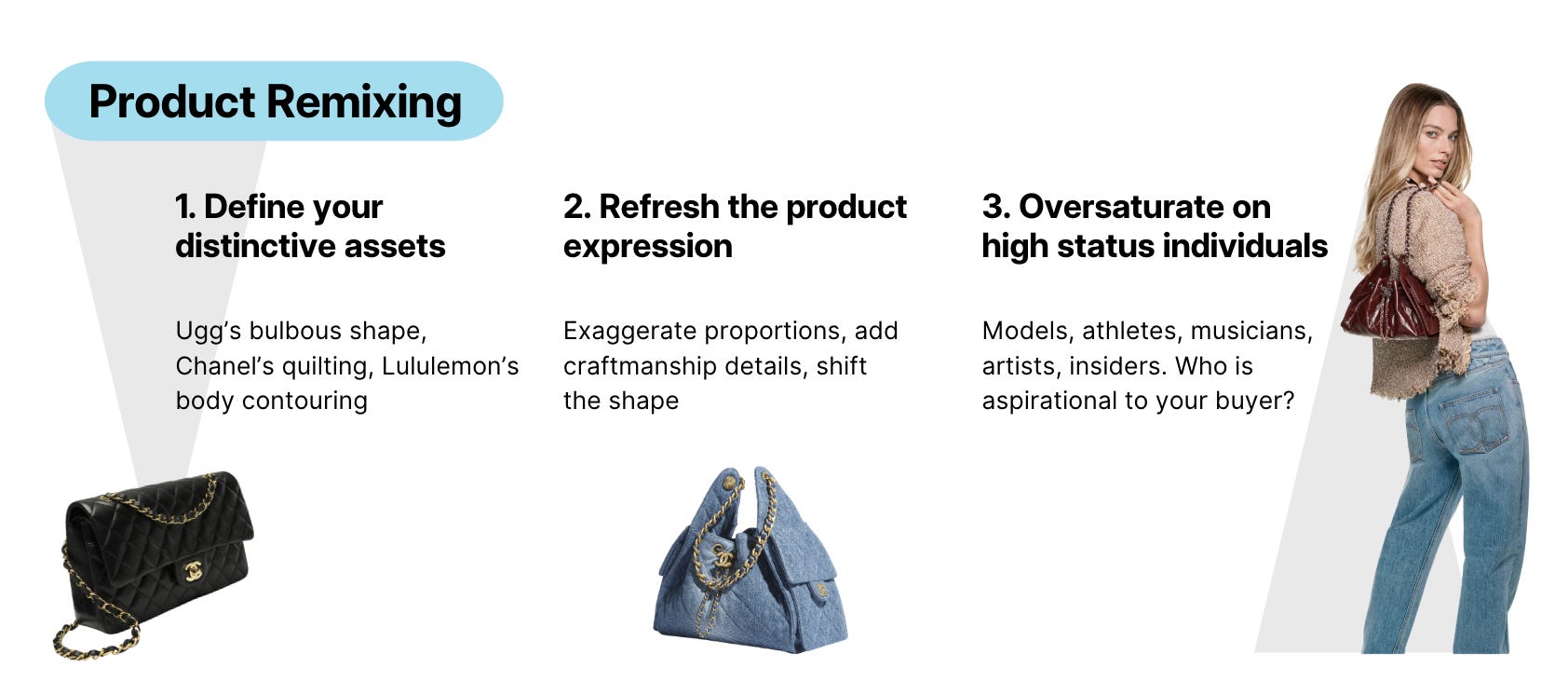
There are (3) steps.
1. Define your product’s distinctive assets
Brands have a small set of distinctive brand assets that trigger immediate recognition. For Chanel, this includes tweed fabric, quilted leather, and an interlaced leather chain strap. For David Yurman, it’s the twisted cable nature of its jewelry. Sheepskin, a bulbous silhouette, a mono-color scheme, and a rounded EVA sole all imply Ugg. On the other hand, a rounded upturned toe, foam material, a thick movable heel strap, and chunky proportions gives Crocs.
The distinctive assets are what make your products familiar and easy to process. Those should stay the same from current product to remixed one.
2. Refresh the product expression
Distinctive assets in mind, you can then exaggerate other features in your product remix. The 2-inch platform sole refreshed the Ugg silhouette into something unconventional while maintaining the classic look and feel of an Ugg boot.
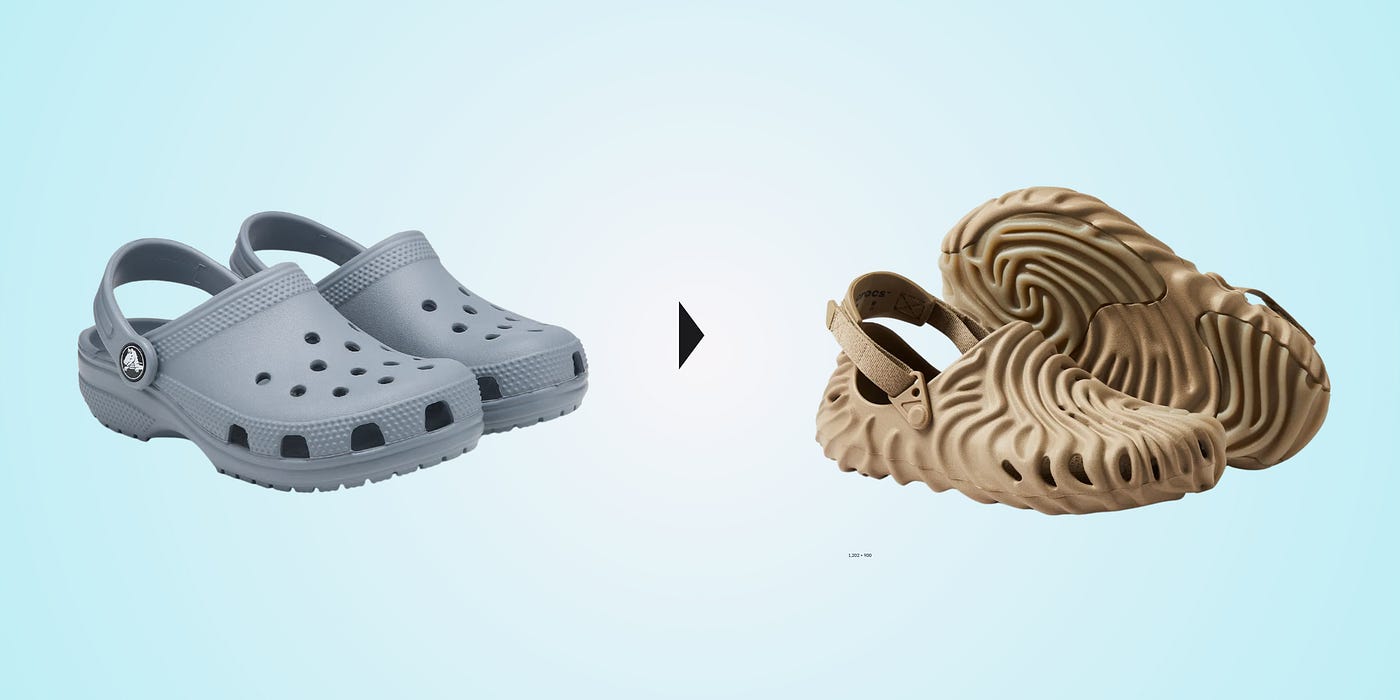
Salehe Bembury’s best-selling Pollex Crocs took the recognizable Croc clog and imbued it with modernity and freshness via his thumbprint design.
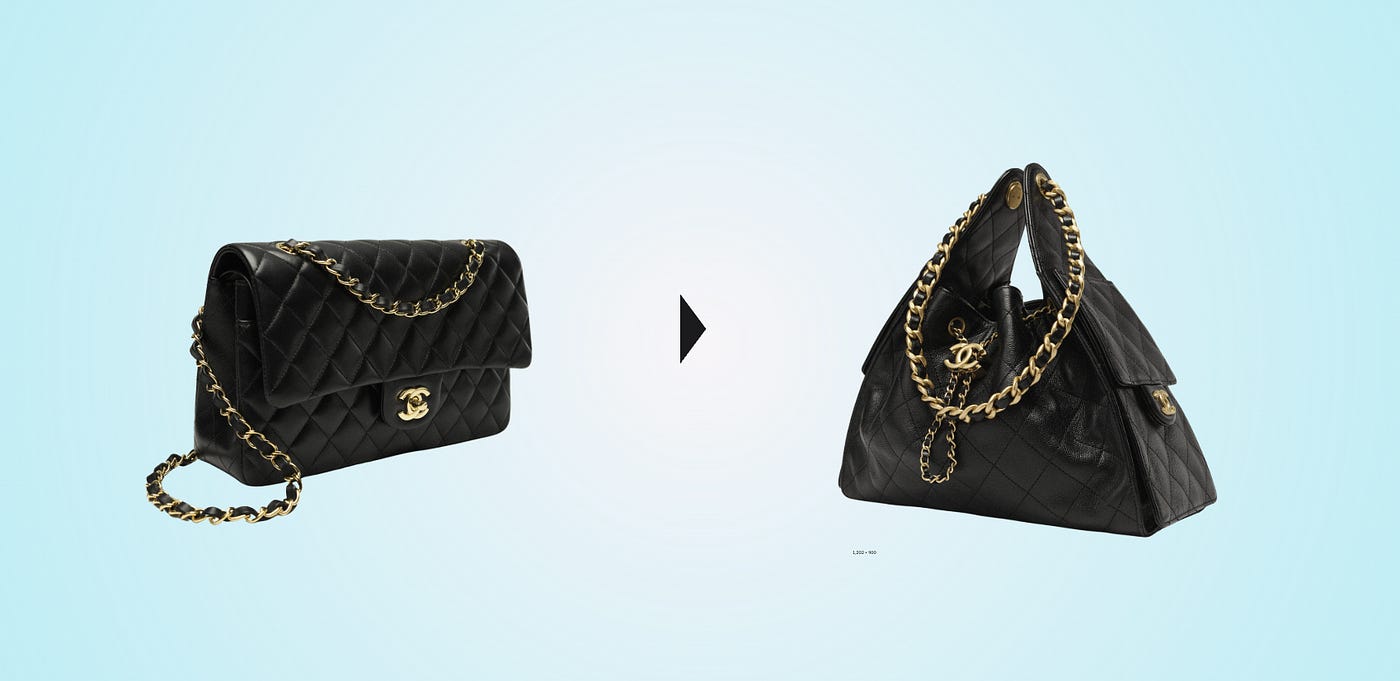
Chanel remade its classic quilted shoulder bag into a new triangular shape for the 25 bag, but maintained Chanel’s iconic diamond quilting and interlaced leather chain strap.
3. Oversaturate the new product among high-status audiences
This can be the toughest step to get right. Essentially, it means get the remixed product associated with high status individuals. This confirms that your remixed product is higher status than the previous version, and it creates the awareness necessary to iconize a remixed design.
Adidas invested in celebrity PR with the Samba, getting the shoe seen on Hailey Bieber, Kendall Jenner, Bella Hadid and Emily Ratajkowski. The design coming from Grace Wales Bonner, an icon among fashion design circles, also immediately associated the shoe with fashion insiders.
Ugg’s platform sole went viral after Bella Hadid was photographed wearing a pair while eating a slice of pizza in New York, and the shoes were also seen on Gigi Hadid, Keke Palmer, Elsa Hosk and Kendall Jenner.
Chanel launched its 25 bag with pop singer Dua Lipa and K-pop star Jennie in 2025, and followed it up with a campaign featuring Margot Robbie in 2026, while also getting the bag in the hands of fashion insiders like Meta’s Eva Chen.
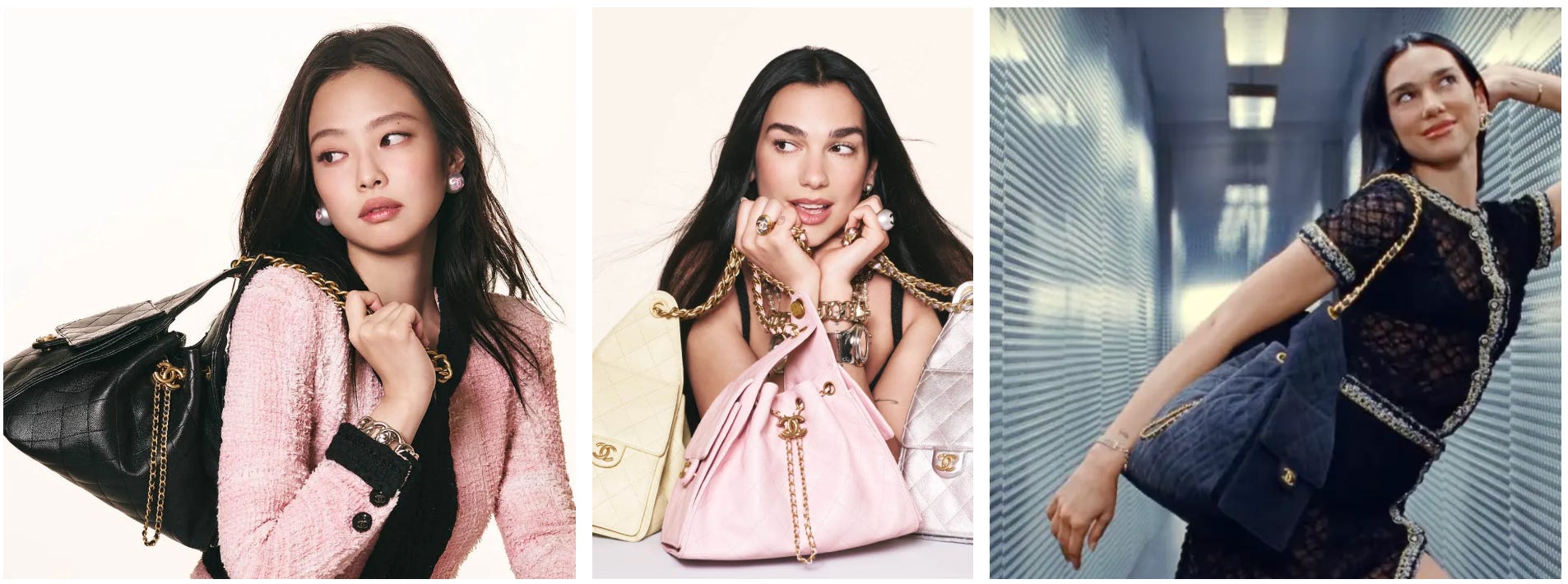
Brands will want to get their remixed product on an audience who is aspirational (read: high status) to the audience who will actually be buying their product. Margot Robbie and Dua Lipa are aspirational to even the most high status individuals, while model it girls like Bella Hadid and Hailey Bieber are ideal for Ugg and Adidas. Respected designers such as Grace Wales Bonner can attract fashion insiders, who will then attract the followers of said insiders.
Repetition is important here, as you are trying to make one of these new products into a cultural icon, which requires heavy marketing investment. The repetition of these refreshed designs in media increases exposure, which makes the unfamiliar design fit in that ideal space of comfort and discomfort, fresh and familiar, easy-to-process and still brain-tickling.
But investment behind a single product can be difficult to swallow for brands trying to test demand before investing in marketing and inventory.
For example, Lululemon launched a tank top version of its Define Jacket earlier this year, turning the iconic athletic jacket into a fresh-but-familiar top for workouts, errands, or even a night out.
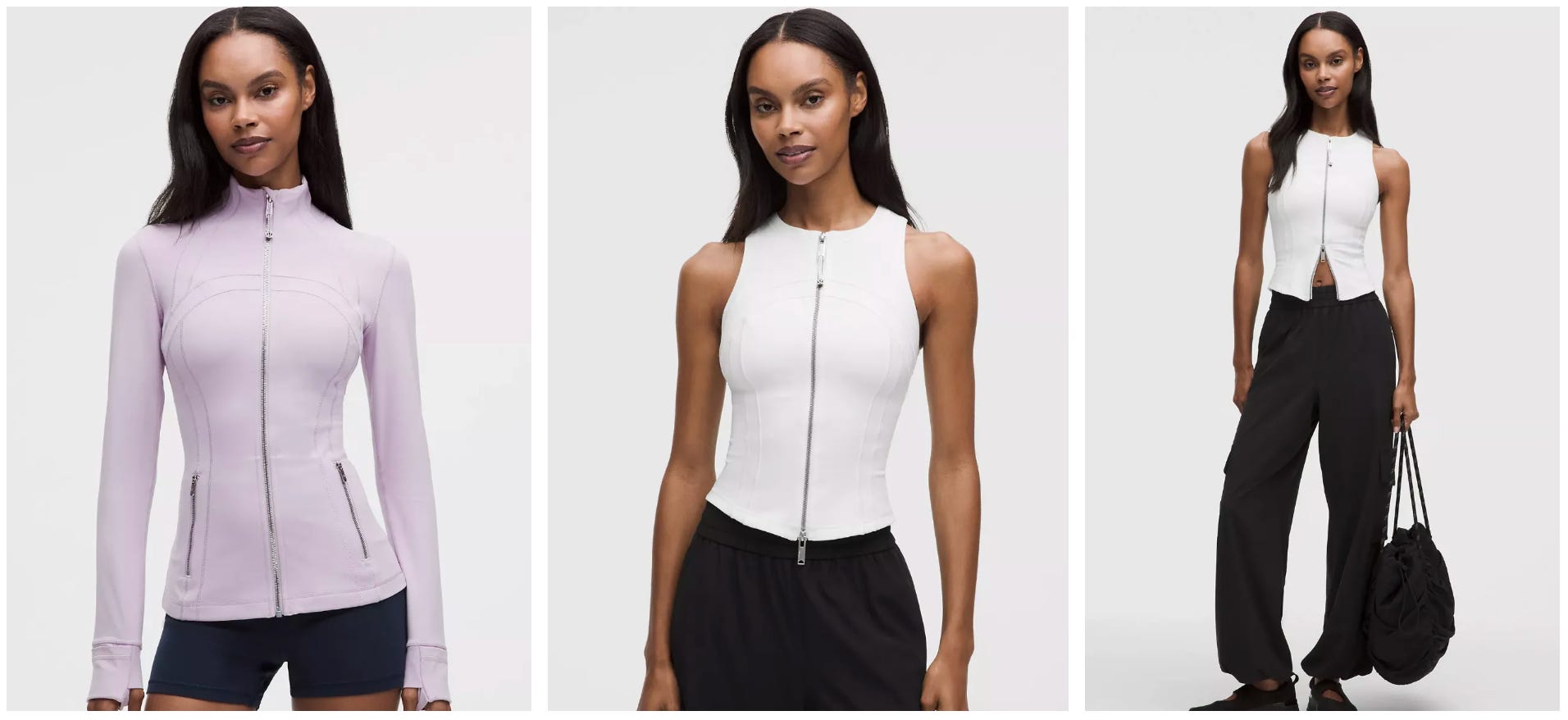
The remixed top sold out in a day. But, the item has not built awareness outside of Lululemon’s owned audience because Lululemon did not put a focused marketing effort behind it.
If Lululemon wanted to turn the Define Zip Top into a cultural icon rather than a minor product launch, it could have borrowed from the same remix playbook.
What if Lululemon had followed the Product Remixing strategy?
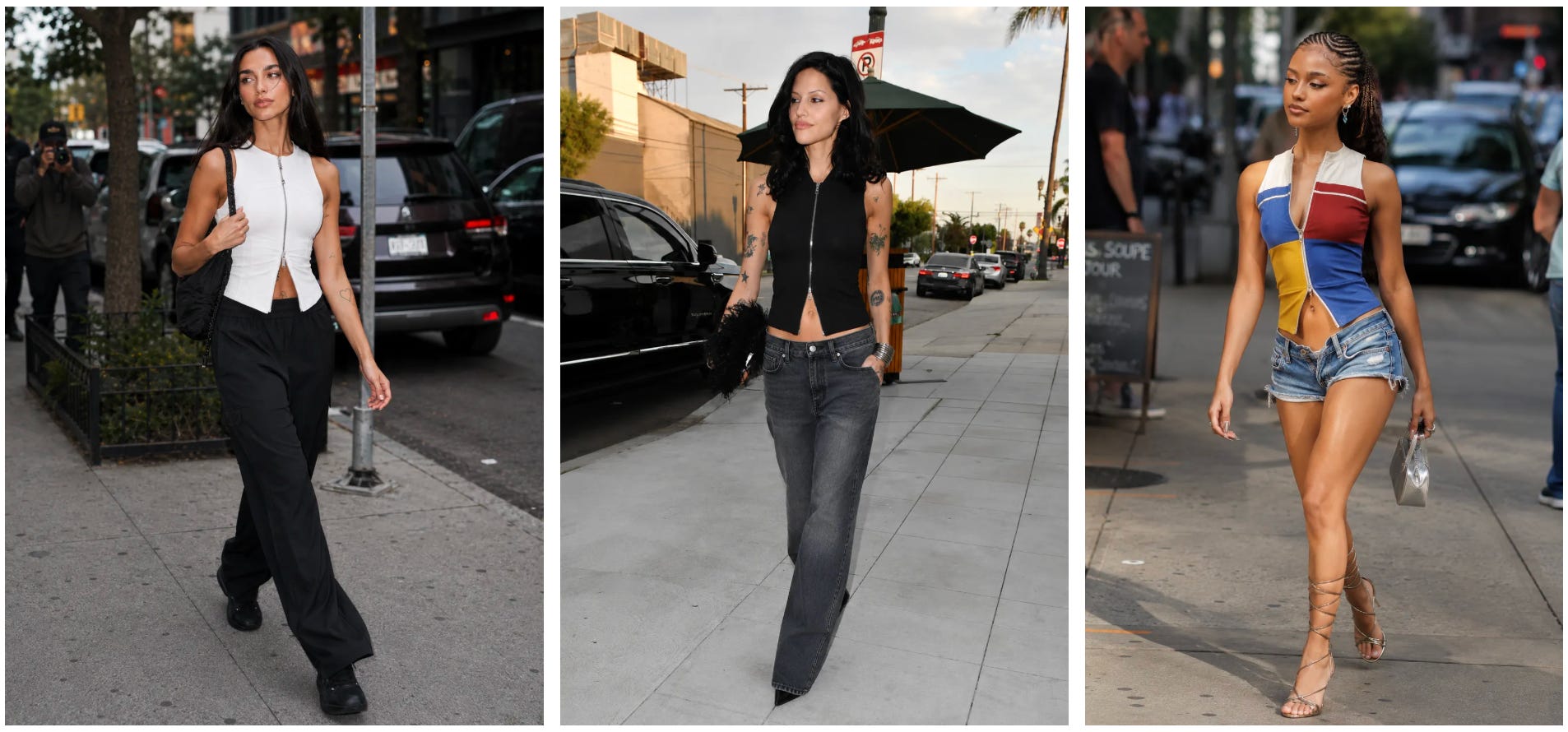
They could have made the top slightly more distinctive (i.e., exaggerated shoulders, color paneling, scalloped edges), partnered with a designer with elite credentials (i.e., Issey Miyake or Alaïa) to lead the remixed design, and then seeded it to celebrities who fit an aspirational persona of highly fit and highly fashionable like Tyla, Dua Lipa, and Gabriette. This could position Lulu above the oversaturated Hailey Bieber/Bella Hadid/Kendall Jenner marketing strategy, and leapfrog Lululemon’s status above Alo. If Lululemon did this a few times, conversation could easily shift from ‘Lululemon has stopped innovating’ to ‘Lululemon is making cool stuff again,’ ‘Lowkey want that top,’ ‘Where can I get the multi-colored lulu zip top on resale??’
An investment, yes, but one that could help usher the brand back to cultural and innovation relevance — all without a major technical revolution.
The Product Remix Framework
Iconizing a new product tends to follow the following formula.
Your brand may be sitting on an icon it hasn’t remixed yet. The Ugg boot existed for decades before someone put a platform on it. The Samba was last popular in the 90s before Grace Wales Bonner redesigned it in 2020. The question isn’t whether your icon has a second act. It’s how you can twist your current icons just enough to get audiences to have a second look.
If you’re considering how to revitalize your own product, email me and we can discuss what this can look like.
Stanley hype and Samba cringe: Why products fall in and out of style

Everyone’s talking about the Stanley cup. Not the hockey trophy — the brand of $50 water bottles that went from $70M sales to $750M in the past few years after becoming a TikTok sensation. I don’t really get the Stanley hype. But it might be too late for me, as the brand has gotten so popular so fast as to be declared ‘over’ in 2024: